
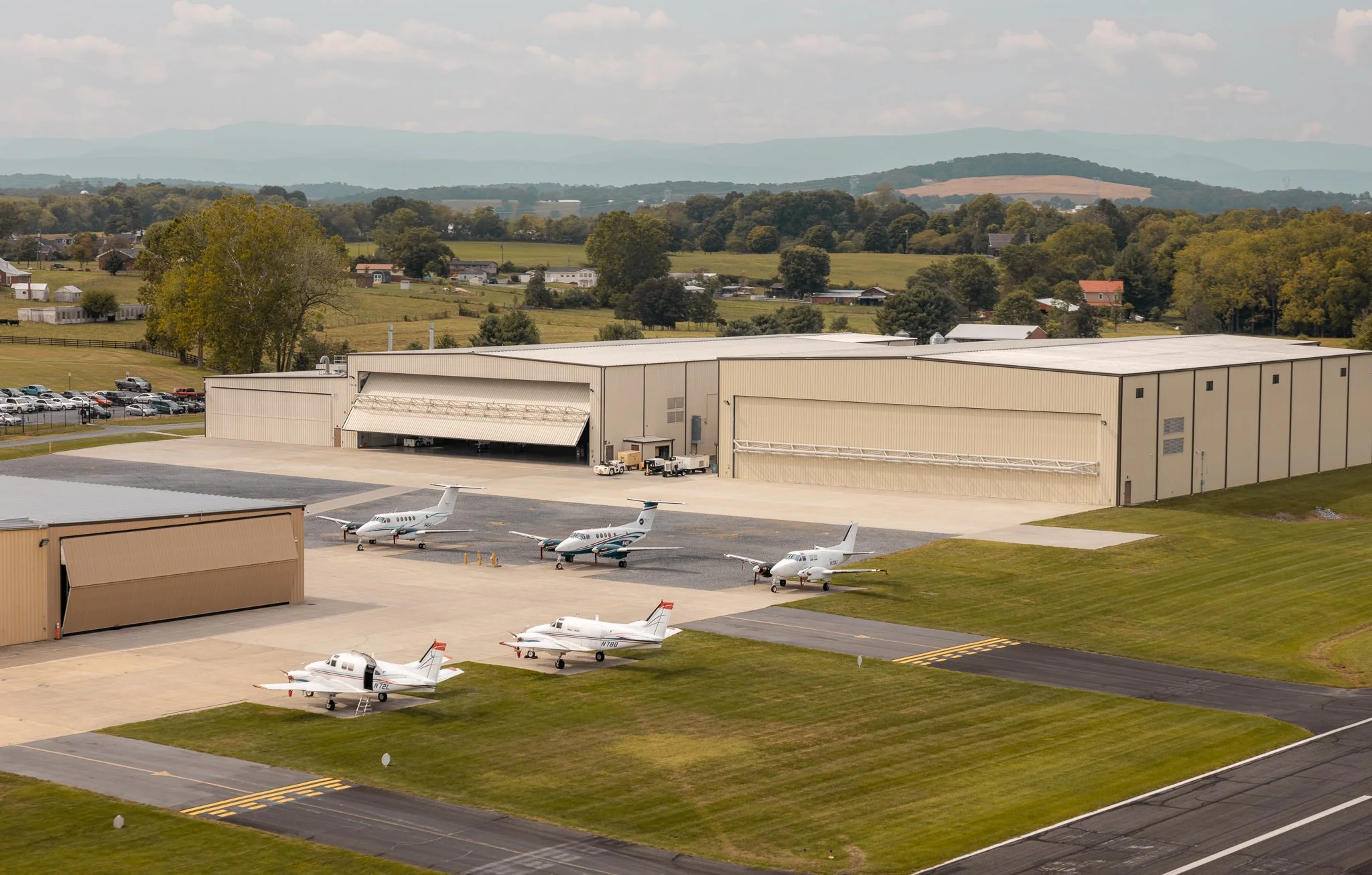
You have calloused hands and a dream
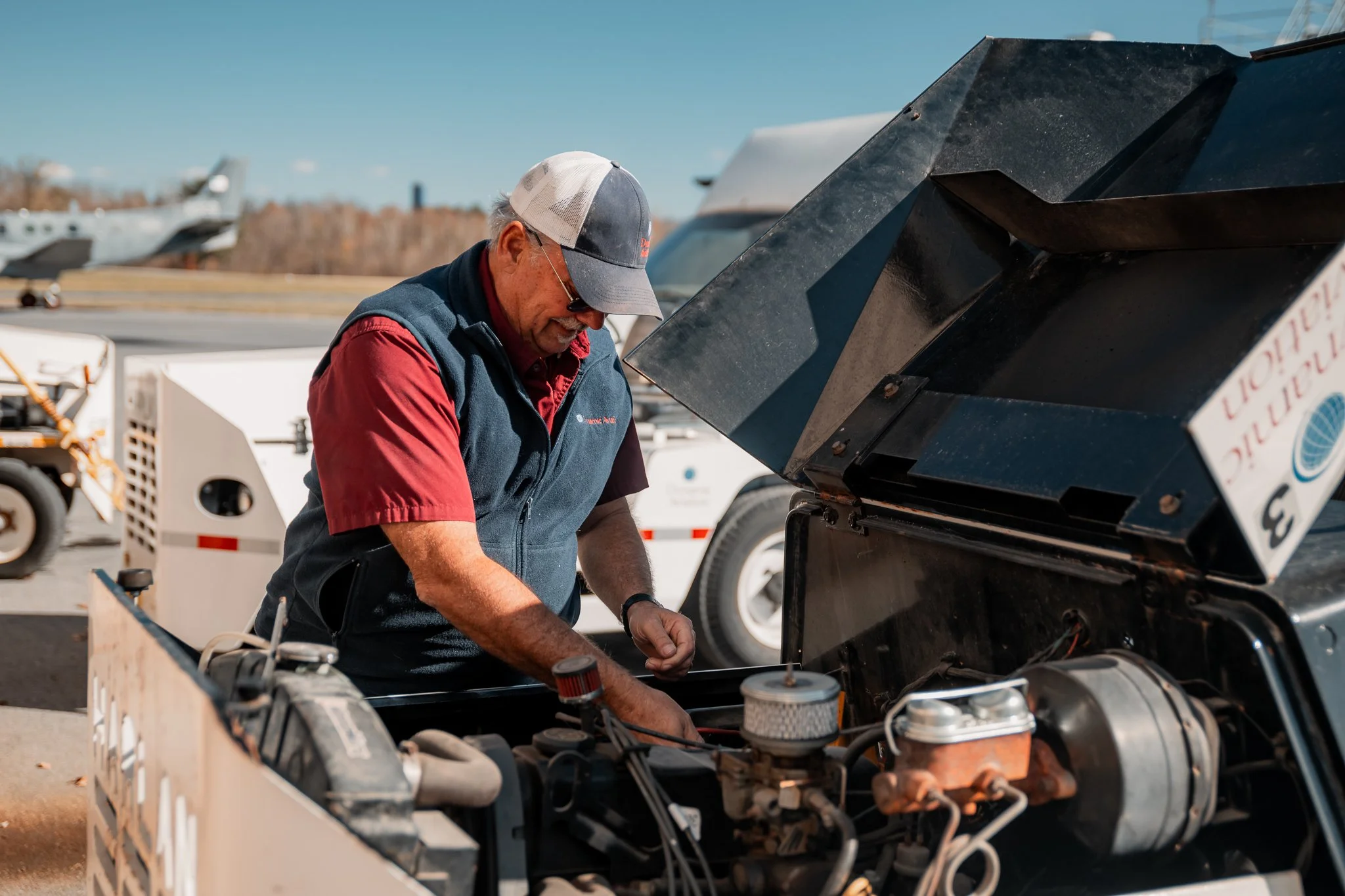
You took things apart to understand them, and put them back together better than you found them. You would rather fix it right than be told it is fixed. You love airplanes, you love the work, and you have never needed much credit for doing it well.
It lives in the hands
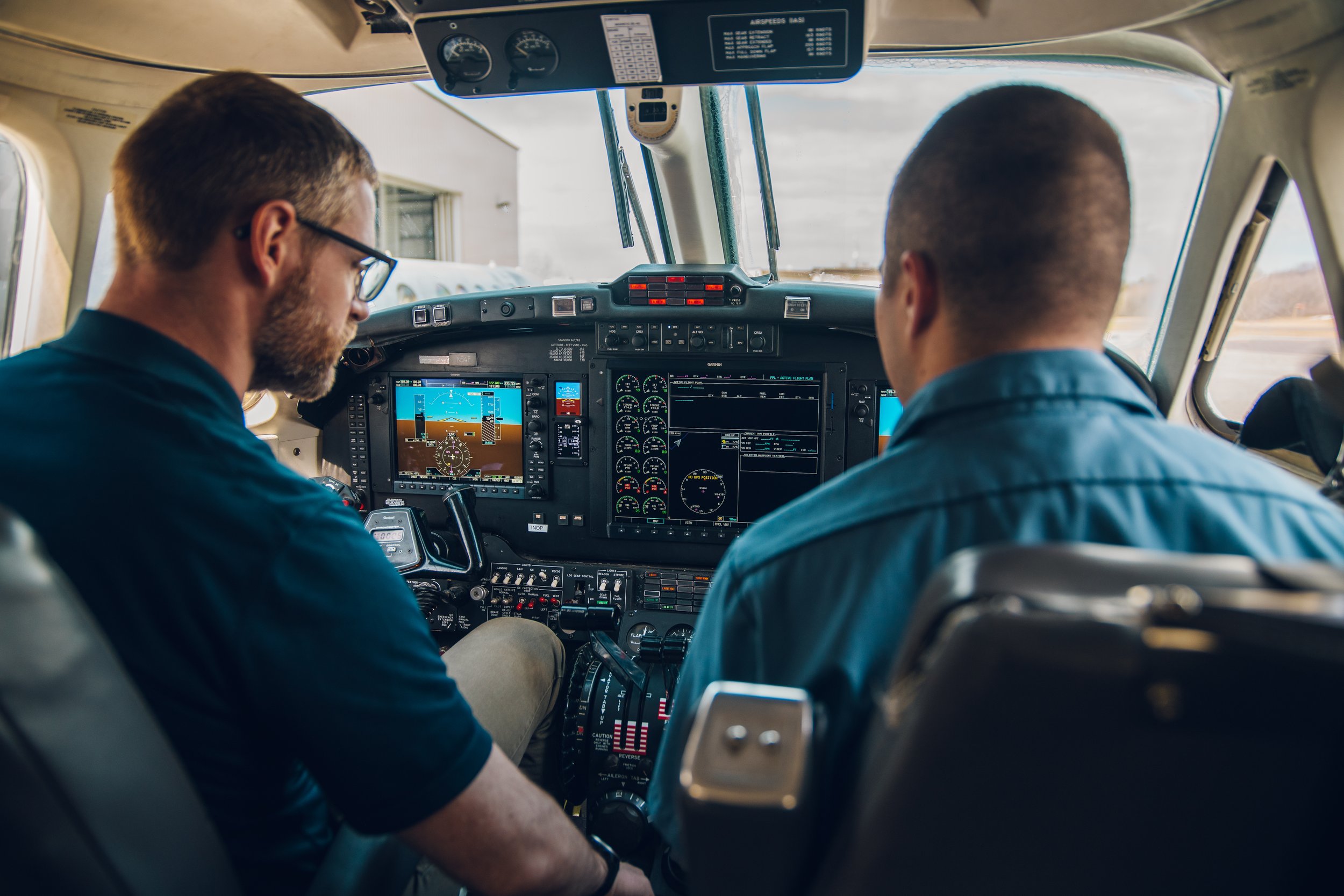
There is something the best pilots know that most pilots never learn. It is not in the training syllabus. It cannot be taught in a simulator or absorbed from a textbook. It lives in the hands — in the hours spent tracing wiring, pulling panels, feeling the systems of the airplane from the inside.
When you have worked on an airplane with your own hands, you carry it differently in the cockpit. You know what is behind the panel in front of you. You know what the sounds mean. When something goes wrong at altitude, you are not reasoning your way through an emergency. You already know.
That knowledge is available to you. But only if you pursue it while you are young enough to build it into the foundation of everything that follows.
The pilot who understands maintenance makes better decisions. The mechanic who understands the mission understands why readiness matters. The person who has lived both sides of the airplane — who has turned the wrenches and flown the mission — carries something that cannot be taught in a classroom or selected at the front door. It is built through years of real work, real responsibility, and real formation alongside people who care about both the craft and the outcome.
That is the formation this place has always produced. That is what this program is designed to produce again.
Others first
One thing is non-negotiable here. Not credentials. Not years in the trade. Not energy level.
This is not a value among values. It is the foundation beneath everything else. The formation model assumes it is already present in you and builds from there. A person who is genuinely others-first — who carries it with conviction, not performance — will find that Dynamic is built for them. A person who is not will find that the culture asks something it cannot install.
It tends to come naturally to the kind of mechanic who thrives here. If your satisfaction comes from the work being right rather than from being noticed for it, you are already oriented the way this place requires. The airplane on station matters more than the credit. The team getting it done matters more than who gets seen doing it.

You carry two roles at the same time
Every coworker at Dynamic carries two roles simultaneously: a generalist role and a specialist role. As a mechanic, the broad discipline is your generalist role — the work you do across the operation. Alongside it, you develop a specialist depth: structures, electrical, avionics, sheet metal, inspector. That specialist dimension is not a job title. It is a direction of formation that deepens over time and narrows as you grow.
The generalist role stays broad. The specialist dimension becomes increasingly precise. Together they produce something a manufacturing environment cannot: a mechanic who knows the whole aircraft and has mastered a part of it at a level few people anywhere can match. This is not incidental to how Dynamic works. It is how Dynamic works.
That model lives inside small, semi-autonomous, self-replicating teams of six to twelve people. Every team includes one to three apprentices. Formation is not a program that runs alongside the work — it is embedded in the composition of the team itself. The apprentice learns from the specialist. The specialist is sharpened by the teaching. The team replicates because replication is built into how it is assembled.
These are not teams that wait for direction. They carry real authority to execute. If you come as an apprentice, you are not peripheral to that team — you are a structural part of it, and the team was built expecting you. If you come with experience, part of what you are entrusted with is the one to three people who will learn from watching you work.

Your generalist role
Flying
Everyone flies. That is the broad discipline you carry across the operation — the common language of the Dynamic system.
Your specialist depth
Maintenance
Mechanic, inspector, structures, electrical, airframe. A direction of formation that deepens over time and narrows as you grow.
Where you work
Small teams
Six to twelve people. Semi-autonomous. Self-replicating. Every team includes apprentices. Formation is embedded in the team itself — not a program that runs alongside the work.
What you carry
Real authority
These are not teams that wait for direction. They operate at the edge. The standard they carry is not just technical — it is character. Others first, lived out in real conditions.
The path begins where you are
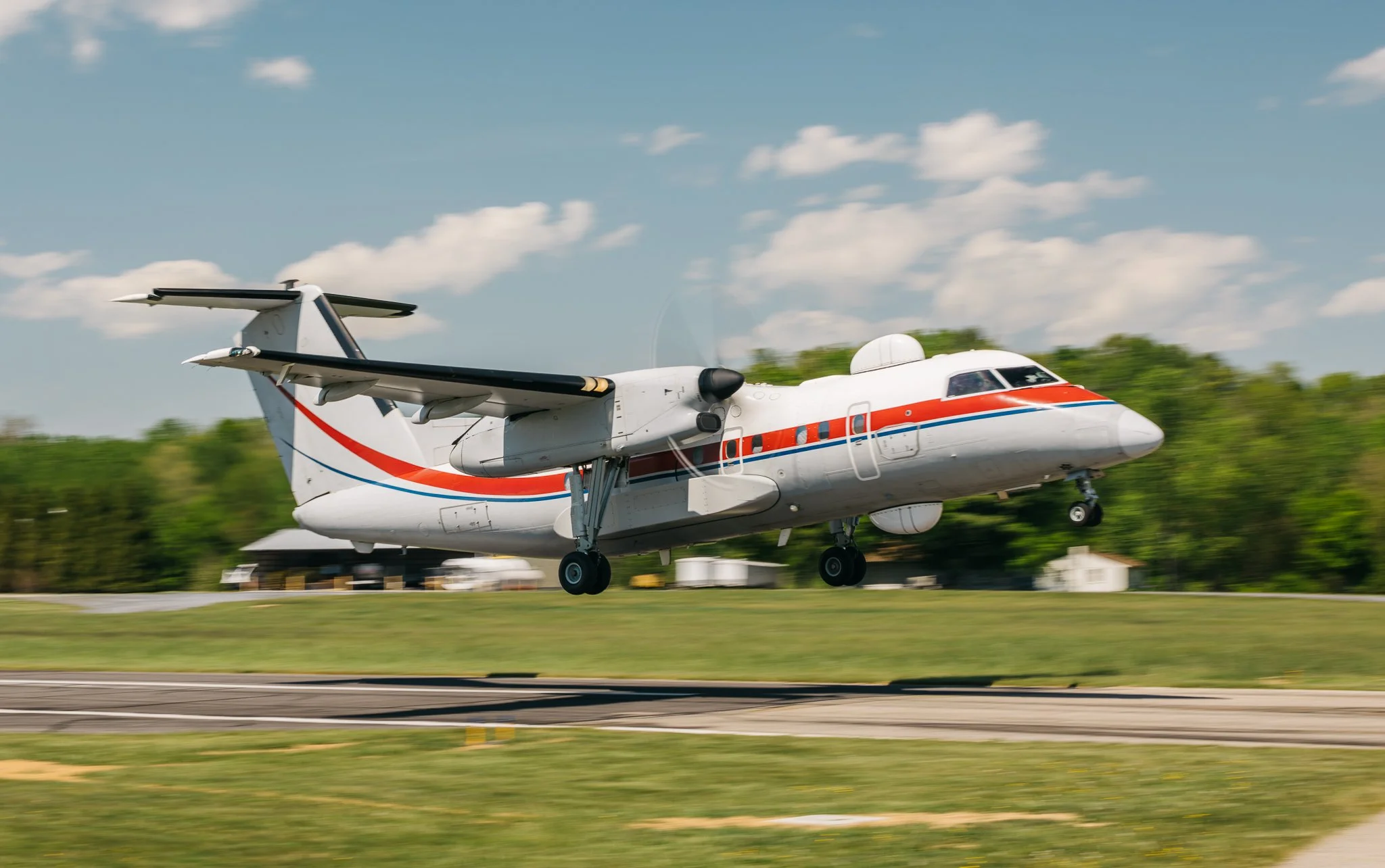
All participants begin at Bridgewater. All enter the same formation system — the same small teams, the same real work, the same standards, the same culture. Where you begin reflects where you are starting. It does not define where you are going.
Housing is provided at Bridgewater for a minimum of twelve months. Many who come here have spent everything they had in pursuit of their licenses. Logistics should not be the reason someone cannot say yes.
Dynamic Aviation will pay for you to earn your A&P license through Blue Ridge Community College — ten minutes from campus. The program is part-time and takes eighteen months. During that period you work in the shop, logging the hands-on hours required for the certificate while doing real maintenance work alongside experienced people. This is not a benefit. It is an investment in your formation. It removes the financial barrier that has kept gifted people from completing what they started. And it produces something more valuable than a certificate — a pilot mechanic who earned the license through real work, in a real shop, alongside people who will still be there when the ink is dry.
The simulator evaluation is a developmental tool, not a gate. The goal is to understand where you are so the path forward can be mapped clearly.
Private Pilot
You are early. That is not a problem.
You will build your aviation experience while pursuing ratings, and develop deep aircraft knowledge through real maintenance work. The path ahead is long, and it is real, and it begins here.
Commercial · Fewer than 500 hours
You are building. You will not be doing it alone.
You will continue building flight time — including through instructing. You will grow your maintenance knowledge alongside experienced people. The typical rhythm is maintenance Monday through Thursday, flight instructing evenings and weekends.
Commercial · 500 to 1,000 hours
You are approaching real opportunity.
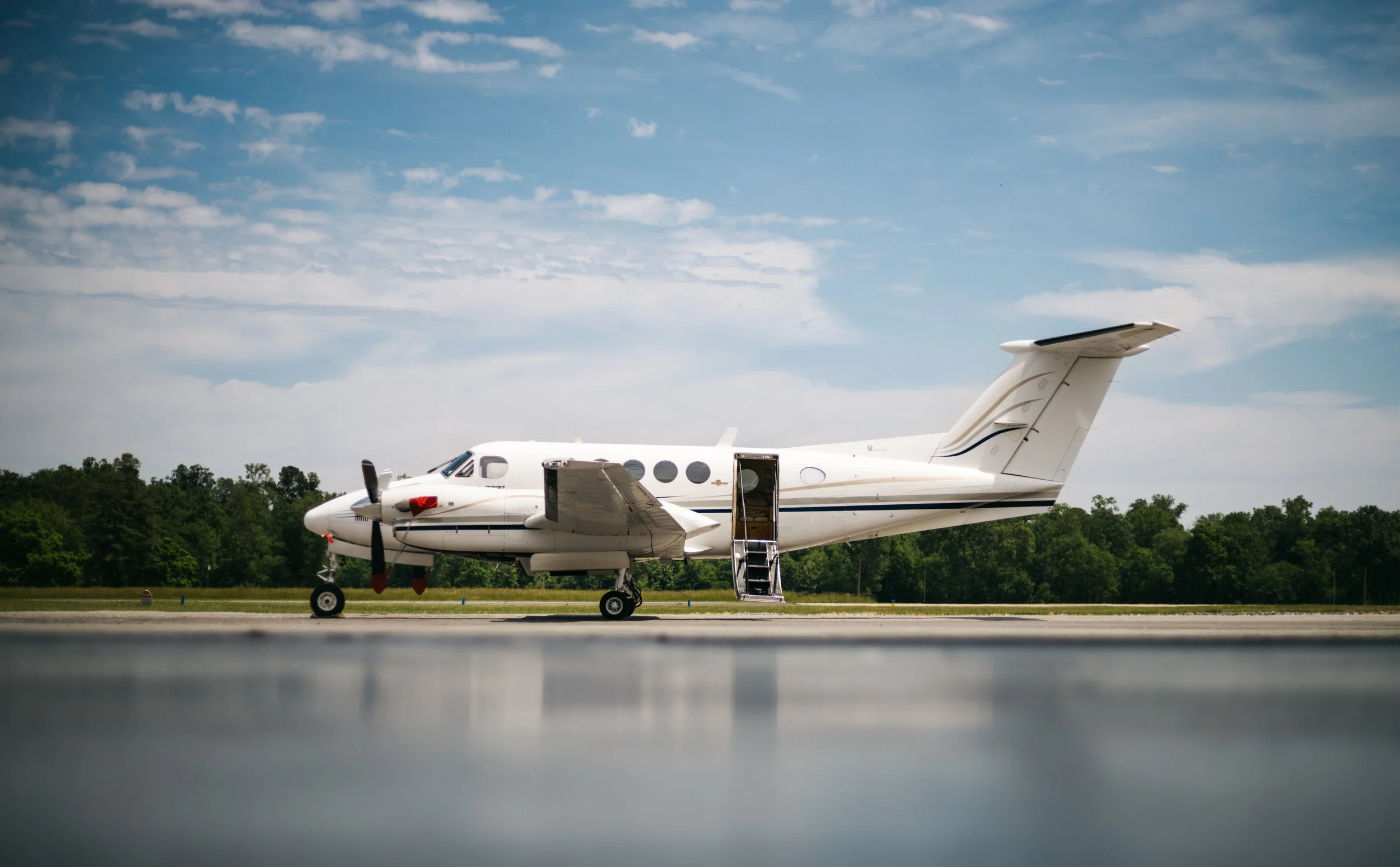
Your focus will be on becoming a King Air pilot mechanic. Initial Dynamic flying opportunities will begin to open. Expect twelve to eighteen months at Bridgewater before transitioning into a base assignment.
Commercial · 1,000 to 1,500 hours
You are close.
A broad range of base opportunities will become available as you demonstrate values, work ethic, and capability. The transition from Bridgewater into a base assignment will come sooner than for earlier types.
Commercial or ATP · More than 1,500 hours
Significant experience will meet significant opportunity.
The full range of Dynamic bases and missions will be accessible to you. For those who continue to grow, the path forward may include advanced King Air roles, Gulfstream GIV opportunities, and Boeing 737 opportunities. The ceiling is not fixed. It rises with you.
They did not arrive here through a job board
The coworkers alongside whom you will do this work came through communities — already formed for the values that make this place function. They understand what it means to serve. They understand what it means to be accountable to a small team. They understand that the work matters beyond the paycheck.
That shared formation is not incidental to the experience. It is the experience. The teammate who works through a discrepancy at eleven at night is not doing it because it is in a job description. The mentor who invests in your formation is not fulfilling a program requirement. The culture holds because the people in it were shaped to hold it before they arrived.
The people here are not colleagues you will know about. They are people you will know.
This is a place that forms people
The current EVP started as an intern. So did the VP of Flight Operations. The majority of directors and vice presidents over the years walked through the same door you are considering now. They were not selected because they were already exceptional. They became exceptional here.
Many of them might not have passed the simulator evaluations used today.
That observation matters. It is a reason for humility about what selection alone can produce — and a reason for confidence in what development, relationship, and real work can produce over time.
The same work that creates value for customers creates transformation in the people who do it. That is not a slogan. It is something that has happened here, repeatedly, across generations — in the lives of pilots, mechanics, managers, and leaders, many of whom arrived with little more than character, hunger, and a willingness to learn.
The ceiling is not fixed, it rises with you
The expected commitment is three to five years. The goal at the end of that period is a highly capable King Air pilot mechanic — someone who understands the aircraft deeply, flies it effectively, maintains its readiness through inspections and discrepancy clearance, and operates with excellence inside a small team.
For those who continue to grow, the opportunities that follow are significant. But more than any specific role or aircraft type, the long-term vision is this:
You become someone who has been genuinely formed. Someone who understands what it means to create value — for a customer, for an end user, for a teammate. Someone who could take everything you learned here and give it to the next person.
That is what this place has always produced at its best.
If this is you,
welcome home
Dynamic Aviation is not for everyone. It is for people who want to do real work. Who want to give themselves to something, not just show up for it. Who want to grow, not just perform. Who believe that flying and maintaining and serving are not separate things but expressions of a single purpose to which they were sent.